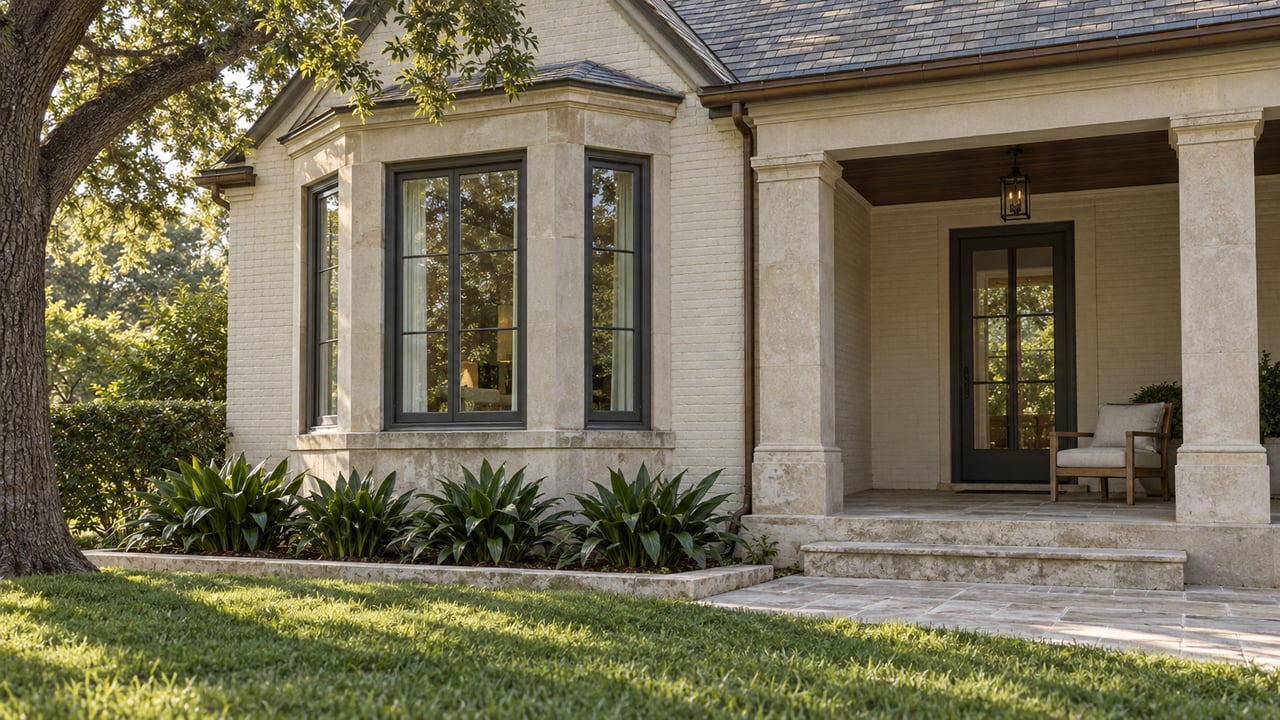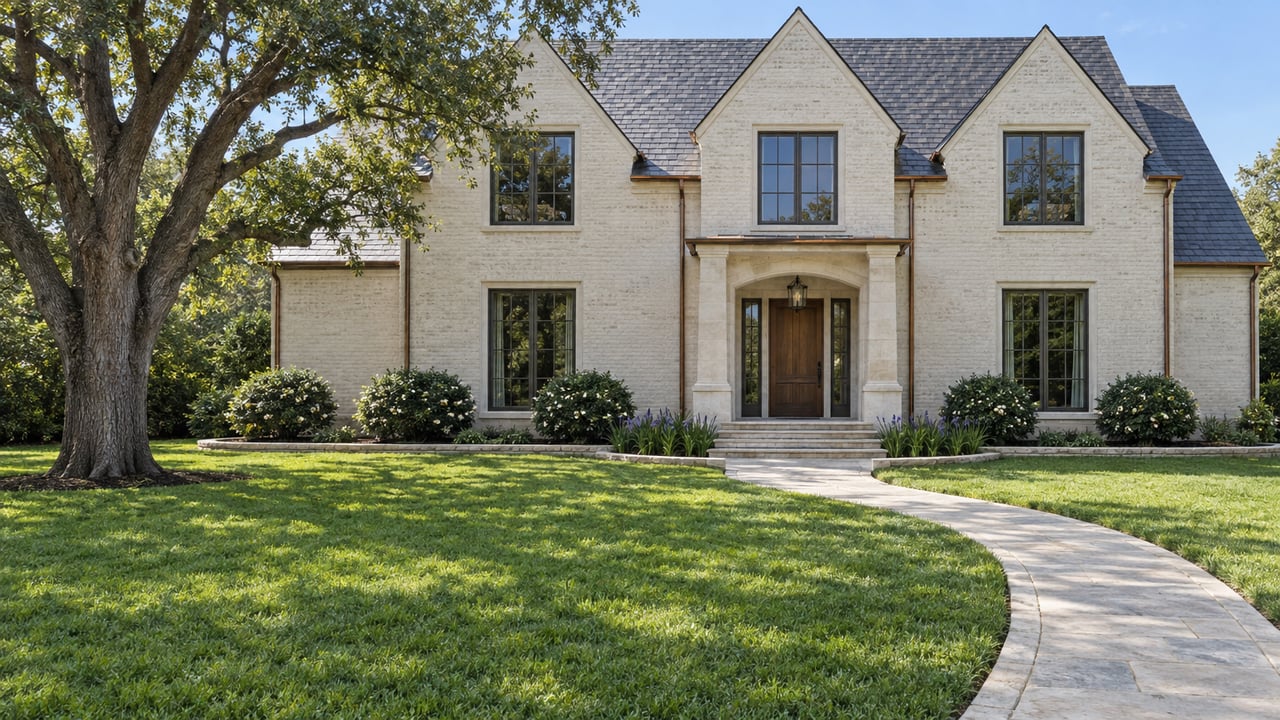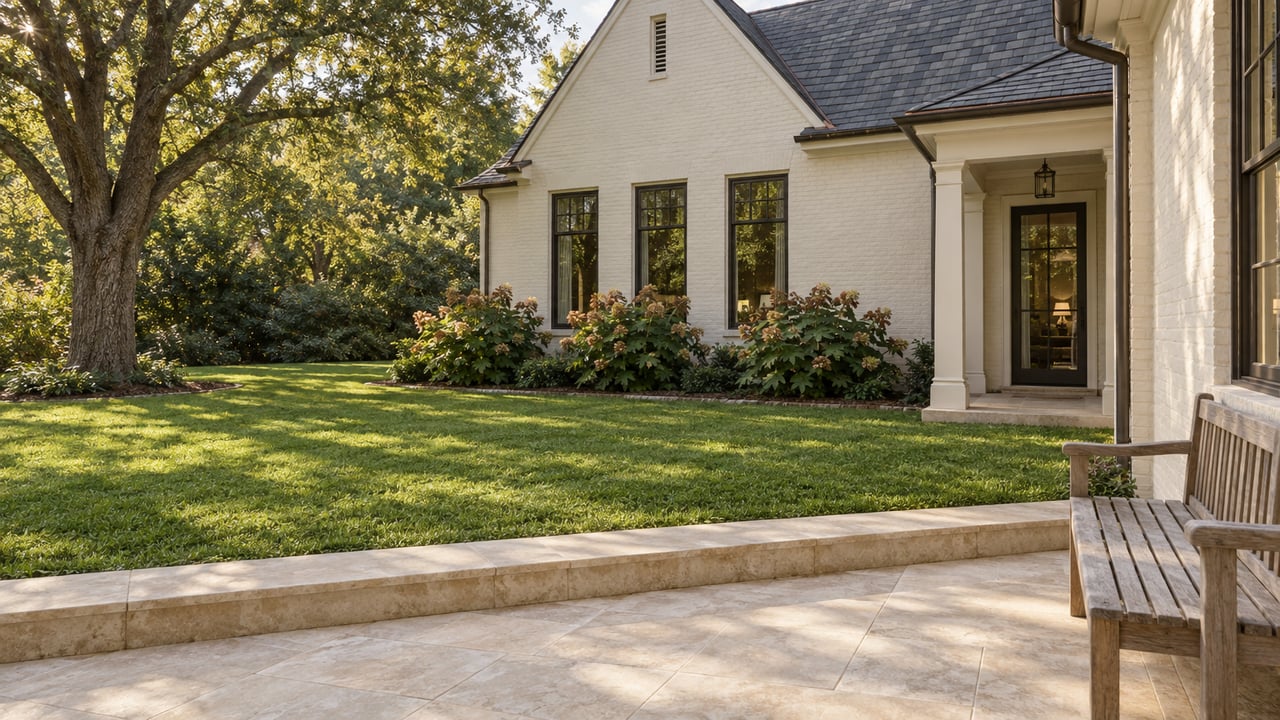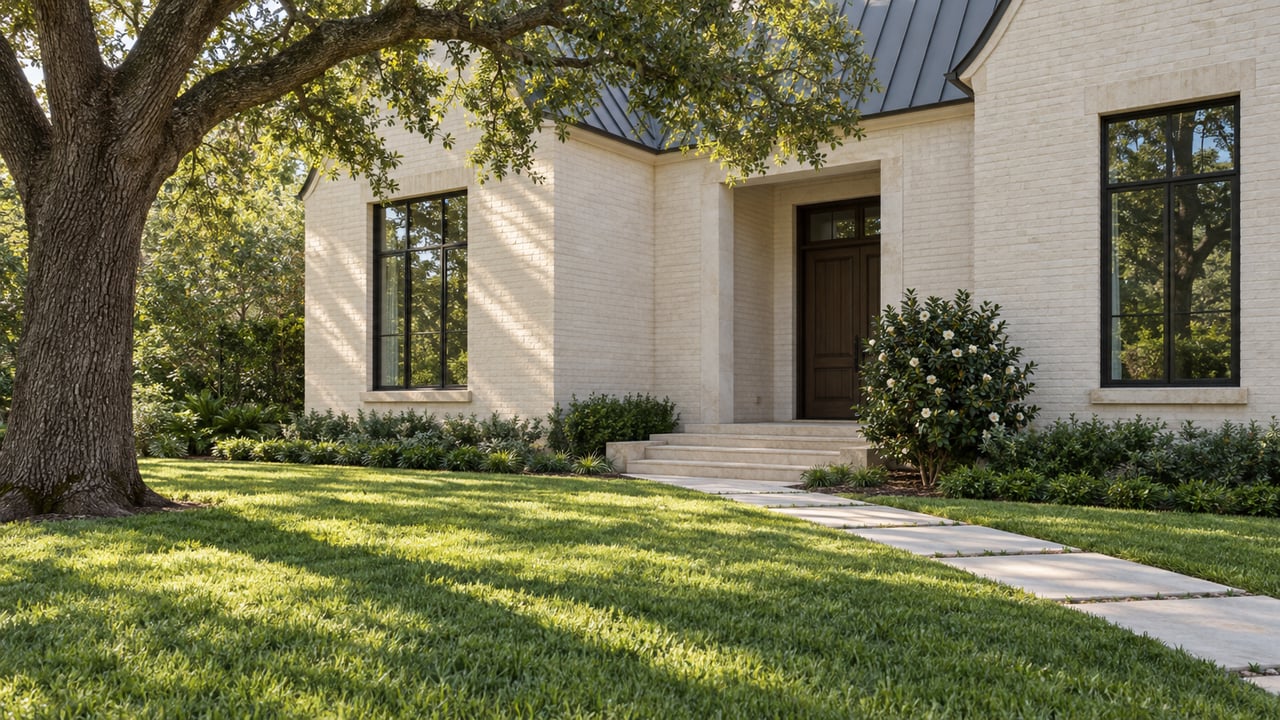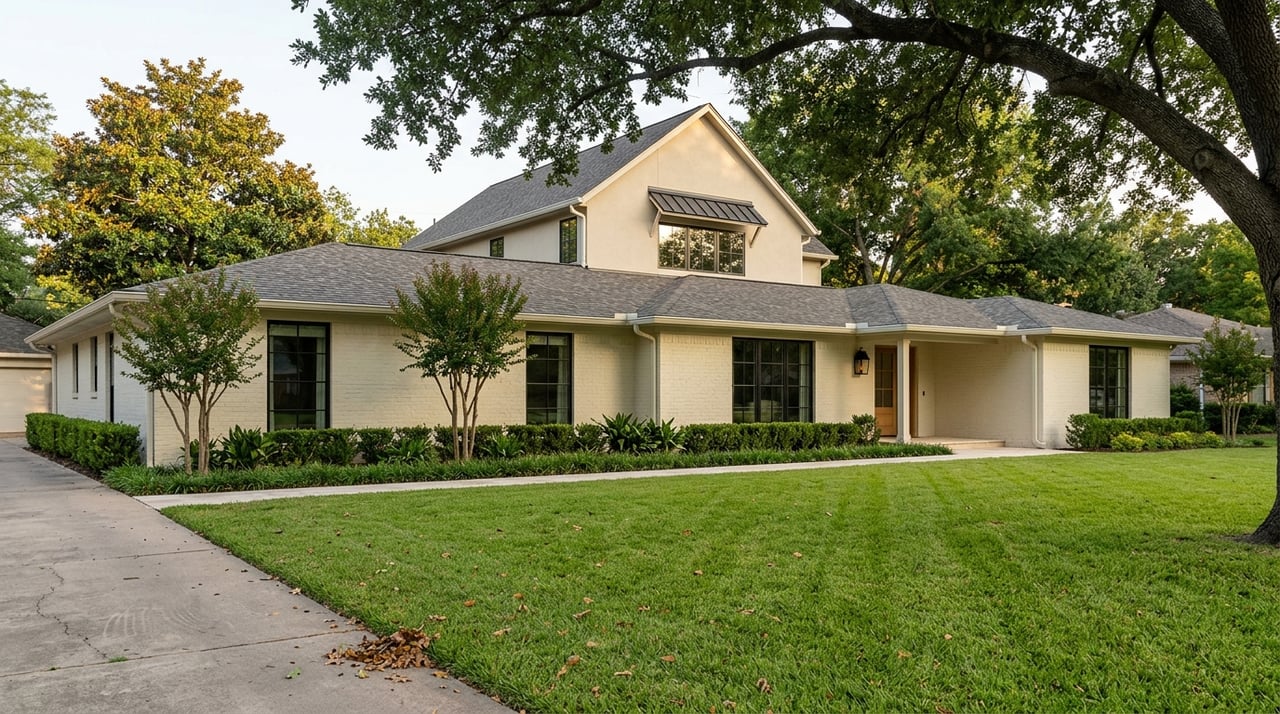
If you are looking at Briargrove, one question tends to shape everything else: are you buying the house, the lot, or the long-term potential? In this part of west Houston, that question matters because the neighborhood includes original midcentury ranch homes, updated versions of those same homes, and larger new builds on similar land footprints. Understanding how those pieces fit together can help you make a more confident decision. Let’s dive in.
Briargrove at a Glance
Briargrove is a 1950s west Houston neighborhood in HCAD residential market area 100, alongside Tanglewood and Galleria. That is a useful shorthand for its close-in location and its place within a well-known part of the Houston market.
Today, Briargrove reads as a mature residential area with tree-lined streets, original ranch homes, and a growing number of newer custom builds. The result is a neighborhood with visible layers, where housing style, condition, and layout can vary quite a bit from one block to the next.
What Briargrove Homes Look Like
The original Briargrove housing stock is still a meaningful part of the neighborhood. Many of those homes date to the 1950s and early 1960s, often with one-story ranch or traditional layouts.
Current examples in the market show original homes around 1,700 to 2,500 square feet, with some slightly larger. Listings cited in the current sample include homes at 6200 Locke Lane with 1,788 square feet, 6201 Overbrook Lane with 1,835 square feet, and 6236 Locke Lane with 1,769 square feet.
These earlier homes often began as straightforward three- and four-bedroom plans. Over time, many owners updated them, expanded living areas, or added features like larger primary suites and game rooms.
How Layouts Have Evolved
One of the most important things to understand about Briargrove is that the neighborhood is not frozen in one era. Instead, the floorplans have evolved in three main ways.
Original Ranch Layouts
Many original homes were designed for practical daily living, with simple one-story plans and modest square footage by current luxury standards. You may still find compact entry sequences, defined rooms, and efficient bedroom wings that reflect midcentury design priorities.
For some buyers, that layout feels approachable and manageable. For others, it may present a renovation opportunity rather than a finished solution.
Expanded and Renovated Homes
A second group of homes includes older structures that have been significantly updated. In these properties, the appeal often comes from keeping the original lot and neighborhood setting while reworking the interior for more current living patterns.
That might mean a larger kitchen, more open gathering spaces, an expanded primary suite, or added flex areas. In practical terms, these homes can offer a middle ground between untouched original stock and full new construction.
New Construction and Replacements
New construction is now a clear part of the Briargrove story. Current listing examples include homes from roughly 4,250 to 5,842 square feet, including a 2026 home at 6255 Ella Lee Lane with 4,250 square feet, a 2026 home at 6213 Overbrook Lane with 4,814 square feet, and a 2027 home at 6242 Meadow Lake Lane with 5,842 square feet.
These homes reflect a very different use of the same neighborhood framework. While the lots are often not estate-sized, builders and owners have created substantially larger houses with more contemporary expectations for layout, storage, and indoor-outdoor living.
What Briargrove Lots Tend to Offer
In Briargrove, lot size is a major part of the conversation because many homes compete on similar land footprints. Based on the current active listing sample, many lots cluster in roughly the 7,000 to 10,600 square foot range.
Examples in the sample include lot sizes of 7,059, 7,126, 7,557, 7,848, 8,603, 8,817, 9,039, 9,613, 9,849, and 10,656 square feet. This is not a formal plat study, but it is a useful snapshot of what buyers are actually seeing in the market.
That pattern matters because it helps explain the neighborhood’s character. Briargrove often offers modest rather than estate-scale lots, yet those sites can still support very different housing outcomes.
How Homes Use the Land
Recent listing examples show a wide range of lot use. A 1958 ranch at 6200 Locke Lane sits on 7,915 square feet, while a 1957 ranch at 6201 Overbrook Lane sits on 7,061 square feet.
On the larger end of the sample, a 1962 traditional home at 6147 Ella Lee Lane sits on 9,849 square feet, and a 1956 traditional home at 6260 Longmont Drive sits on 10,656 square feet. Current listings also include homes with private pools, which suggests that outdoor living space remains possible even when the lot is not oversized by Houston standards.
For you as a buyer or seller, the takeaway is simple: lot size alone does not tell the whole story. How the house sits on the site, how much yard remains, and whether outdoor features have been added can all change the feel of the property.
Why Similar Lots Can Feel Different
In Briargrove, two homes may sit on fairly similar lots but live very differently. One may be an original one-story ranch with a broad backyard, while another may be a larger two-story replacement home with a pool, covered patio, and less open yard.
That is why layout and site planning deserve close attention here. If you care about lawn space, room for a pool, a first-floor primary suite, or a more compact low-maintenance footprint, those priorities should guide your search early.
Townhomes and Condos in Briargrove
Although the single-family story gets most of the attention, Briargrove is not limited to detached homes. HAR currently shows a 1964 Briargrove T/H condo unit at 2416 Jamestown Mall and a 1964 Briargrove townhouse at 2502 Jamestown Mall, both around 1,444 to 1,520 square feet.
That means some buyers may find a lower-maintenance ownership option within the neighborhood context. If you are comparing home types, it helps to be clear about whether you want private yard space, a lock-and-leave setup, or a different price point within Briargrove.
What the Current Market Suggests
Briargrove appears to be active but relatively thin, which is common in established neighborhoods with limited inventory. Realtor.com shows 11 active listings with a median asking price of $1.425 million and an average 31 days on market, while HAR’s May 2026 trend report shows an average single-family price of $2,000,490 and a median of $1,675,000 across 11 transactions.
The pricing spread inside the neighborhood is especially important. In the current sample, the lower end includes a $575,000 1958 ranch, while new construction reaches roughly $2.2 million to $3.45 million.
That range reflects the layered nature of the market more than any single pricing rule. In Briargrove, value can shift significantly based on condition, square footage, renovation quality, and whether the property is being considered as a finished home or as a land play.
What Buyers Should Focus On
If you are shopping in Briargrove, it helps to evaluate each property through a few specific lenses rather than relying on neighborhood averages alone.
Compare House Value and Land Value
Some homes will appeal mainly for their existing design and finish level. Others may draw interest because of the lot, the street, or the long-term redevelopment potential.
Study the Layout, Not Just Size
A 1,900-square-foot ranch can live very differently from a 1,900-square-foot updated home. In the same way, a 4,500-square-foot new build may feel either efficient or oversized depending on how the plan uses the lot.
Check Outdoor Priorities Early
If a pool, play space, patio area, or garden matters to you, confirm how much usable exterior space remains. Similar lot sizes do not always translate into similar outdoor experiences.
What Sellers Should Keep in Mind
If you own in Briargrove, your home is likely being judged within several competing categories at once. Buyers may compare it against original homes that need work, renovated homes with added square footage, and larger new-construction options.
That makes positioning especially important. A seller usually benefits from understanding whether the property’s strongest story is charm and livability, renovation quality, lot value, or a combination of those factors.
In a neighborhood where homes on comparable lot sizes can differ so widely, thoughtful pricing and presentation become even more important. Clear guidance can help you frame the home correctly for the buyers most likely to respond.
Briargrove stands out because it gives you a real cross-section of west Houston housing evolution in one neighborhood. You can still see the original ranch-home foundation of the area, but you can also see how renovation and replacement have reshaped what buyers now expect from the same underlying lots.
If you want help sorting through Briargrove’s homes, lot dynamics, and pricing differences, Blake Kunetka offers thoughtful, data-driven guidance tailored to Houston’s established neighborhoods.
FAQs
What types of homes are common in Briargrove?
- Briargrove includes many original one-story ranch and traditional homes from the 1950s and early 1960s, along with renovated homes and larger newer custom builds.
What lot sizes are typical for Briargrove homes?
- Based on the current active listing sample, many Briargrove lots appear to fall in roughly the 7,000 to 10,600 square foot range.
Are there new construction homes in Briargrove?
- Yes. Current listing examples include newer homes from about 4,250 to 5,842 square feet, showing that replacement construction is an active part of the neighborhood.
Are all Briargrove properties single-family homes?
- No. Current HAR listings also show Briargrove townhouse and condo options on Jamestown Mall, offering an alternative to detached homes.
Why do Briargrove home prices vary so much?
- The current market includes original ranch homes, updated properties, and large new builds, so price differences often reflect condition, size, renovation level, and rebuild status.