Trying to choose between a River Oaks condo and an estate home? In this part of Houston, that decision is about much more than square footage. You are often comparing two very different ownership models, maintenance expectations, and day-to-day lifestyles within one of the city’s most established areas. This guide will help you understand the practical differences so you can decide which option better fits how you want to live. Let’s dive in.
River Oaks Has Both Home Types
River Oaks is widely known for its detached estate homes, and that history still shapes the area today. The neighborhood was developed in the 1920s as Houston’s first master-planned community, with homesites, design controls, esplanades, and a strong emphasis on detached housing.
At the same time, the broader River Oaks area also includes condominium and townhome ownership structures. Public Texas association records list several River Oaks condo and townhome associations, which is a helpful reminder that buyers here are not only choosing between one home and another. You are often choosing between a shared-building ownership model and a detached-home neighborhood structure.
Ownership Structure Is the Biggest Difference
If you buy a condo in the River Oaks area, you own your individual unit and share ownership of common areas through a condominium association. In Texas, condominiums are governed by Chapter 82 of the Property Code, and associations are required to collect common-expense assessments. As a unit owner, you are generally responsible for paying those assessments and following the declaration, bylaws, and rules.
If you buy an estate home, your ownership works differently. You own the house and lot directly, but in River Oaks that ownership is still shaped by deed restrictions and private neighborhood oversight. ROPO states that properties may be governed by multiple deed-restriction documents, and certain changes may require review for setbacks, permeability limits, or other project details.
That difference matters because it affects how much control you have, how decisions get made, and what responsibilities you carry personally. A condo usually involves more shared governance. An estate home usually gives you more direct control over the property itself, while still requiring you to follow neighborhood rules.
Maintenance Looks Very Different
For many buyers, maintenance is where the condo versus estate-home choice becomes most clear. A condo often supports a lock-and-leave lifestyle because association dues typically help fund care for common areas and certain exterior elements.
A local example is River Oaks Gardens, which outlines a clear split between association and owner responsibilities. The association handles items such as roof leaks and common-line plumbing or sewer issues, while owners remain responsible for many interior components and certain repairs inside the unit.
With an estate home, you usually take on much more of the ongoing responsibility yourself. That can include landscape care, exterior upkeep, larger mechanical systems, and long-term repair planning. In return, you often gain more independence in how your property functions day to day, subject to applicable deed restrictions and review requirements.
Insurance Responsibilities Are Not the Same
Insurance is another area where buyers should slow down and look closely. In a condo, the association typically insures the building or shared property, while you generally insure the interior of the unit, personal property, liability, and additional living expenses.
Texas insurance guidance also notes that HOA members can face loss assessments when an association loss is not fully covered by the association’s insurance. That makes it important to review both the association’s coverage and your own policy needs before closing.
For an estate home, insurance is usually more straightforward in structure because you insure the house and property directly. But the scope of your responsibility is broader because there is no condominium association insuring the building envelope for you. That difference should be part of your budgeting from the start.
Amenities Often Drive Condo Demand
One reason many buyers consider River Oaks condos is access to shared amenities and services. Depending on the building or community, that can include landscaped grounds, a pool, covered parking, concierge services, valet, a fitness center, guest accommodations, business areas, or patrol services.
The Royalton at River Oaks is one example of the high-rise model. It includes a 33-story tower with 253 units across 27 floor plans, along with amenities such as concierge and valet, a pool and spa, fitness space, theater space, ballroom, guest suite, business areas, and a dog park.
River Oaks Gardens reflects a different condo lifestyle. Rather than a full-service tower, it offers a garden-style setting on a three-square-block site with landscaped grounds, covered parking, a swimming pool, and a courtesy patrol. That distinction matters because “River Oaks condo” can mean very different living experiences.
Estate Homes Offer More Lot Control
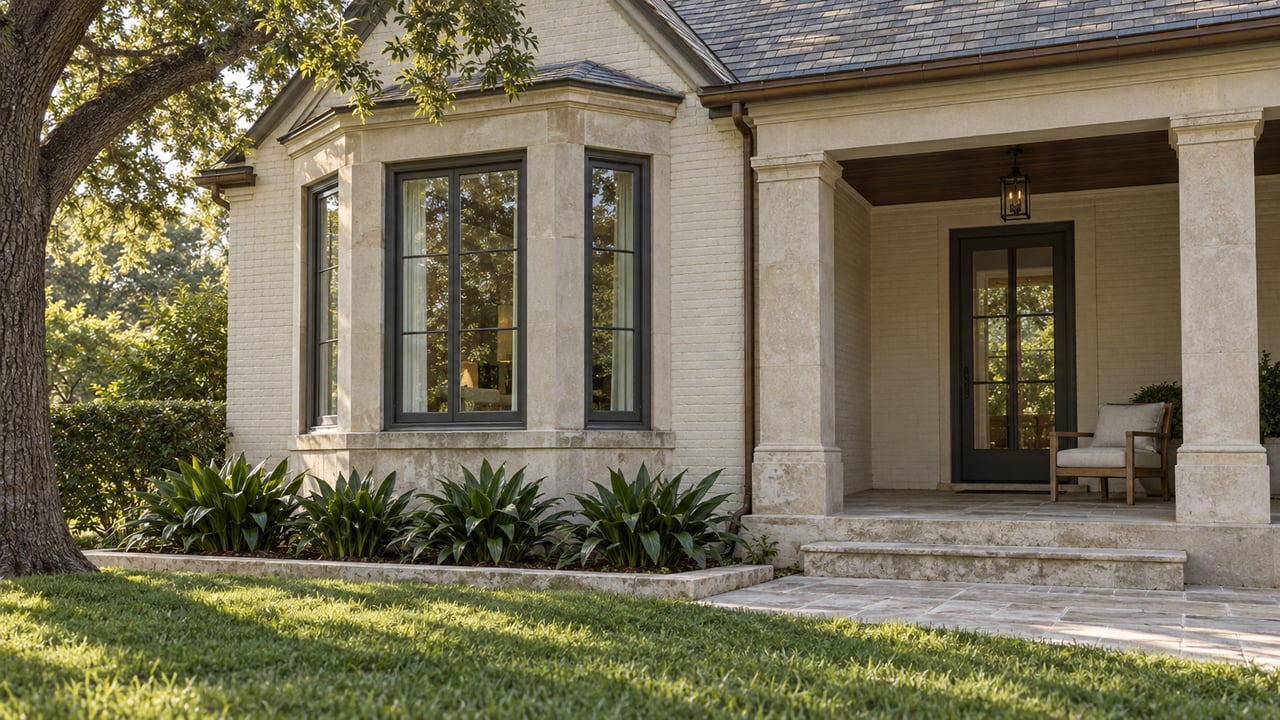
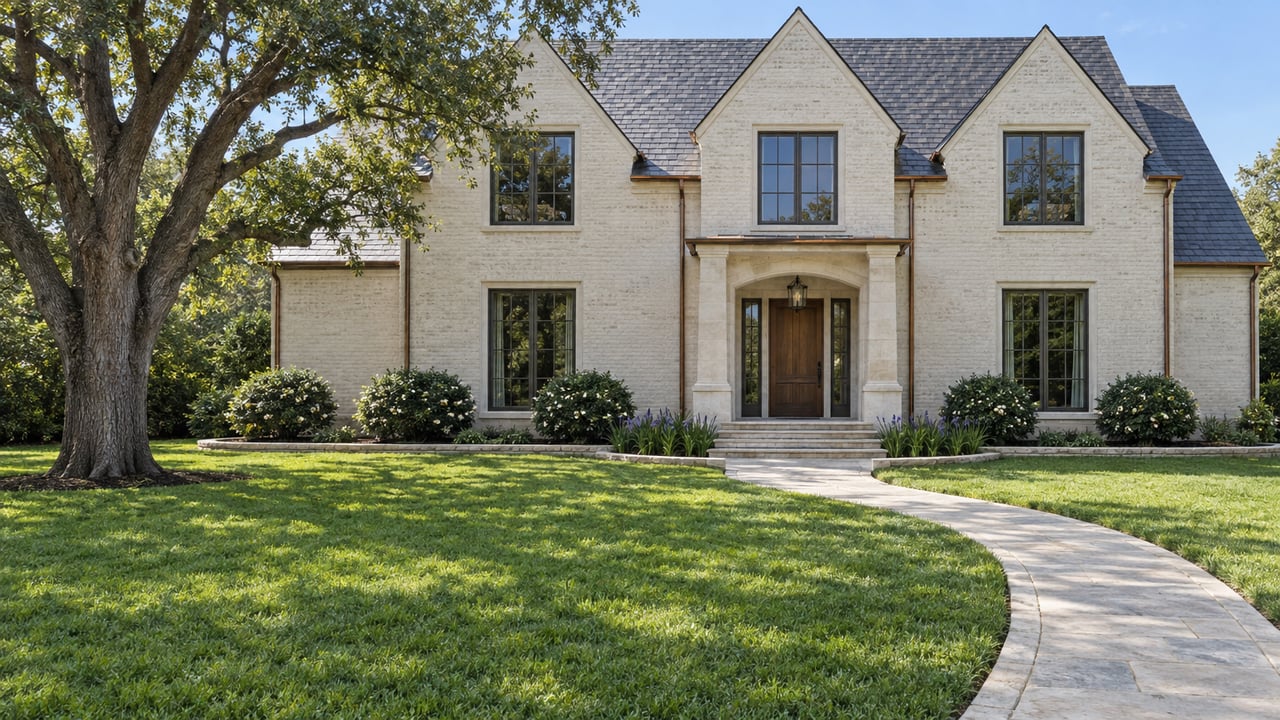
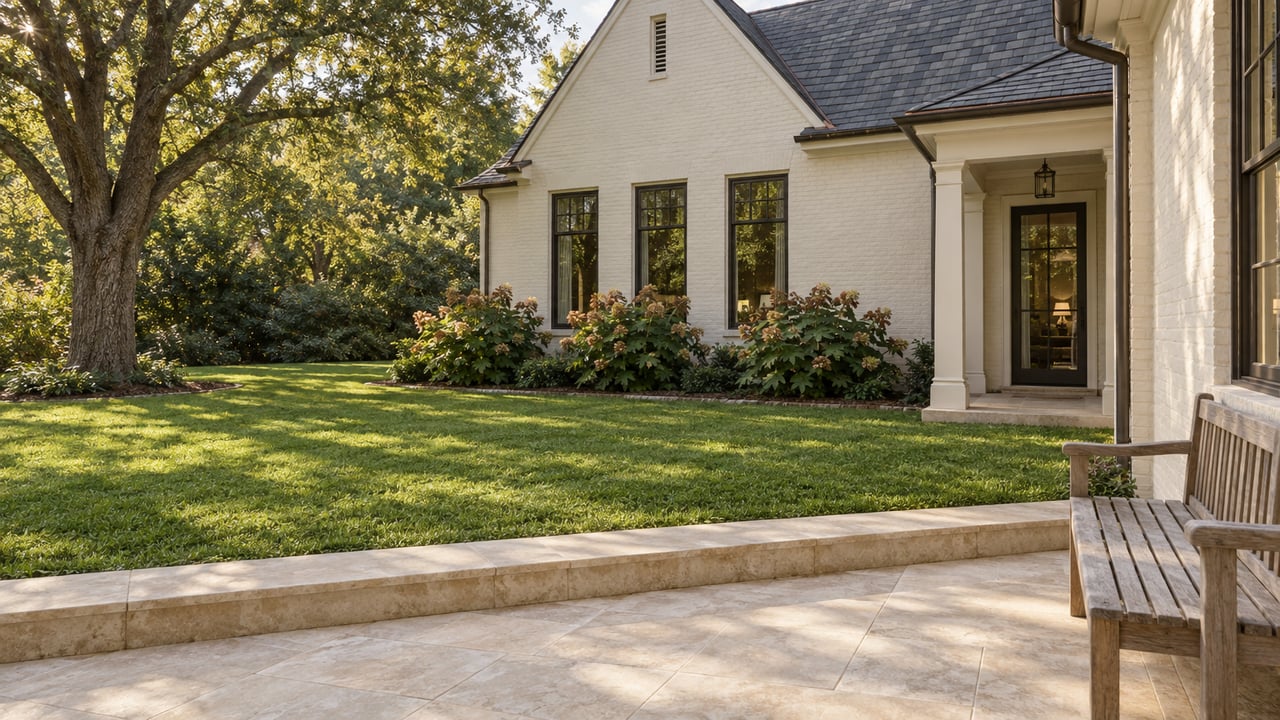
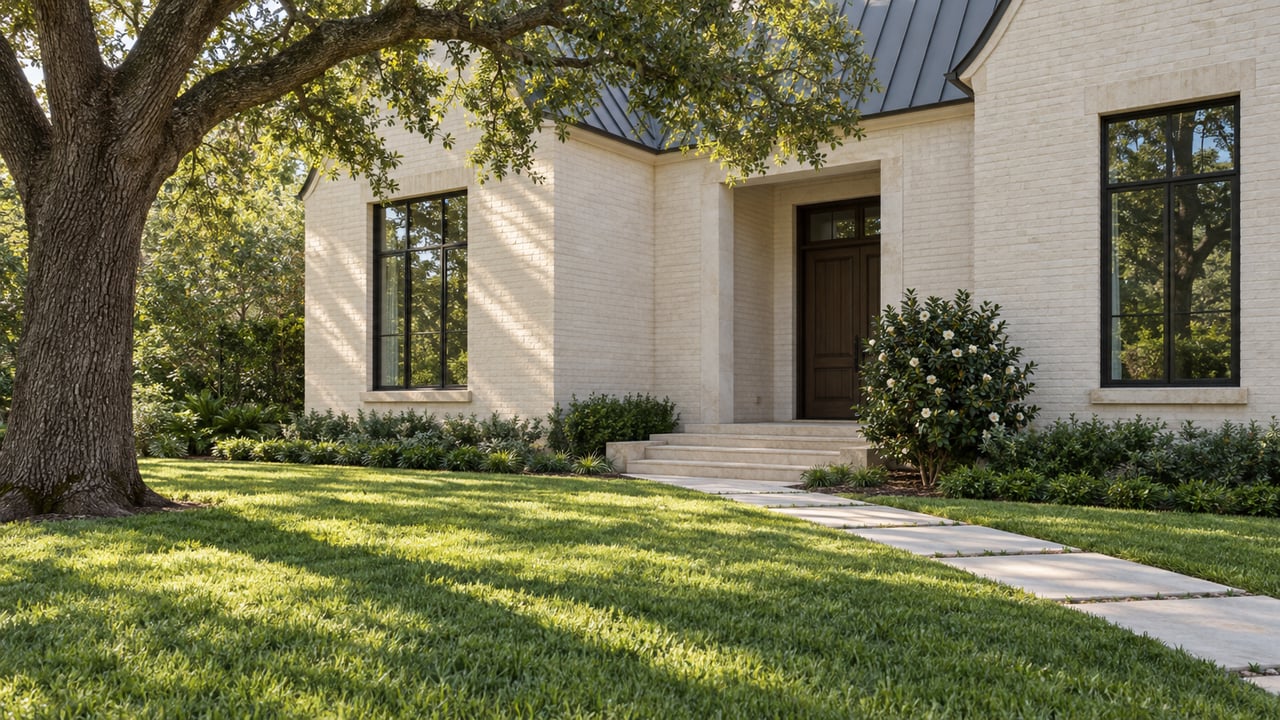
If outdoor space, architecture, and lot placement are priorities, estate homes often stand apart. River Oaks detached homes are commonly custom residences on individual lots, and the area is known for strong architectural character.
City of Houston historic materials highlight River Oaks-area examples in Colonial Revival and Spanish Revival styles, including work by architects such as John F. Staub, Salisbury & McHale, and Cameron Fairchild. In practical terms, that means an estate home in River Oaks is often valued not only for its interior space, but also for its setting, design presence, and relationship to the streetscape.
That said, more lot control does not mean unlimited freedom. River Oaks properties may still be subject to deed restrictions, architectural review, and project approval requirements. If you are planning major updates, it is wise to understand those requirements early.
Privacy and Daily Living Feel Different
A condo and an estate home can create very different rhythms in daily life. In a condo, you may trade some privacy and private outdoor space for convenience, service, shared amenities, and reduced exterior maintenance.
In an estate home, you typically gain more separation, more private outdoor area, and more control over how you use the property. You also take on more operational responsibility. Neither option is better across the board. The right fit depends on whether you value ease, autonomy, architecture, amenities, or a blend of those factors.
What to Review Before You Buy
Because River Oaks includes both condo regimes and deed-restricted detached homes, your due diligence should match the property type.
For River Oaks Condos
Before you move forward, review:
- The declaration
- Bylaws
- Rules and regulations
- Fees and fines schedule
- Leasing policy
- Responsibility chart
- Management certificate or association contact information
- Parking, storage, pet, and use restrictions
These documents help clarify what you own, what the association maintains, what you pay regularly, and where special assessments or limits may affect your plans.
For River Oaks Estate Homes
Before you move forward, review:
- Deed restrictions
- Architectural review rules
- Setback and permeability requirements where applicable
- Any private maintenance-fee information
- Patrol or neighborhood service information
These details can shape renovation plans, exterior changes, and your long-term ownership experience.
Which River Oaks Property Fits You Best
If you want a more lock-and-leave lifestyle, shared amenities, and a structure that handles much of the exterior upkeep, a River Oaks condo may be the better match. If you want direct control over a house and lot, stronger architectural individuality, and more private outdoor space, an estate home may fit better.
In River Oaks, the choice is not simply vertical versus detached. It is about how you want to own, maintain, insure, and enjoy your home in one of Houston’s most distinctive neighborhoods. If you want thoughtful guidance as you compare options, Blake Kunetka offers a calm, informed approach shaped by River Oaks market knowledge and hands-on condominium experience.
FAQs
What is the main difference between a River Oaks condo and a River Oaks estate home?
- A River Oaks condo usually means owning a unit within a shared association structure, while a River Oaks estate home usually means owning a detached house and lot subject to deed restrictions and neighborhood oversight.
Who handles exterior maintenance for a River Oaks condo?
- It depends on the specific condo documents, but associations often maintain common areas and some exterior elements, while owners remain responsible for interior components and certain unit-level repairs.
Do River Oaks estate homes still have rules if they are not condos?
- Yes. River Oaks estate homes may still be governed by deed restrictions, architectural review requirements, and private maintenance or patrol-related obligations.
What insurance should you review when buying a River Oaks condo?
- You should review the association’s insurance plus the coverage you may need for the unit interior, personal property, liability, additional living expenses, and possible loss-assessment exposure.
Are all River Oaks condos high-rises?
- No. In the River Oaks area, condo living can range from full-service high-rise towers to garden-style communities with landscaped grounds and shared facilities.
What documents matter most when buying a River Oaks estate home?
- The most important items usually include the deed restrictions, architectural review rules, and any private-fee or neighborhood service information tied to the property.